Most people who give up on a journal do so within a fortnight, and rarely because they ran out of things to say. They ran out of time, or they sat down with a blank page and a vague sense that whatever they wrote ought to be profound. Morning journaling works far better when it is small, structured and slightly unglamorous: fifteen minutes, same slot each day, with a shape you can follow without thinking. Here is how to build that routine from scratch.
Mornings give you an unedited version of yourself. Nobody has emailed you yet. Nobody has asked for anything. Whatever lands on the page at 7am comes from you rather than from the day's demands.
There is a practical argument too. Evening journaling is the first thing to fall away when you are tired, hungry or still answering messages. A morning habit sits before the point where your schedule starts making decisions for you. If you are genuinely a night owl, the same routine works before bed, so don't force a rhythm that fights your body. But if you can claim the first quarter of an hour, claim it.
Friction kills habits faster than boredom does. Sort the equipment once and then stop thinking about it.
Structure is what stops the blank page winning. Follow this once and it takes about a week before you stop needing to check it.
Right now I feel… What I'm avoiding is… What would make today good is… Three lines, no more. This works when you have nothing to say and can't work out why.
Take a single question and stay with it for four minutes: What would I do today if I had half the commitments? What am I pretending not to know? Who do I owe a reply to, and what's stopping me? Depth beats breadth here.
Instead of planning, record. What did yesterday actually contain? Most people overestimate their own memory and underestimate how much they managed. This is a good prompt for grey, low-energy mornings when ambition feels false.
The timer is a discipline, not a suggestion. When it goes, stop mid-sentence if you have to. A half-finished thought is genuinely useful tomorrow, and a page you resent is not.
Add a physical limit as well. One side of A5 is plenty. If you find yourself writing three pages, you're either having a very good week or avoiding something in the rest of your morning, and it's worth knowing which.
Don't reread last week's entries before you write. Comparison is where morning journaling starts to feel like a performance. Save the reading for a monthly skim, when you can look at patterns rather than judge individual days.
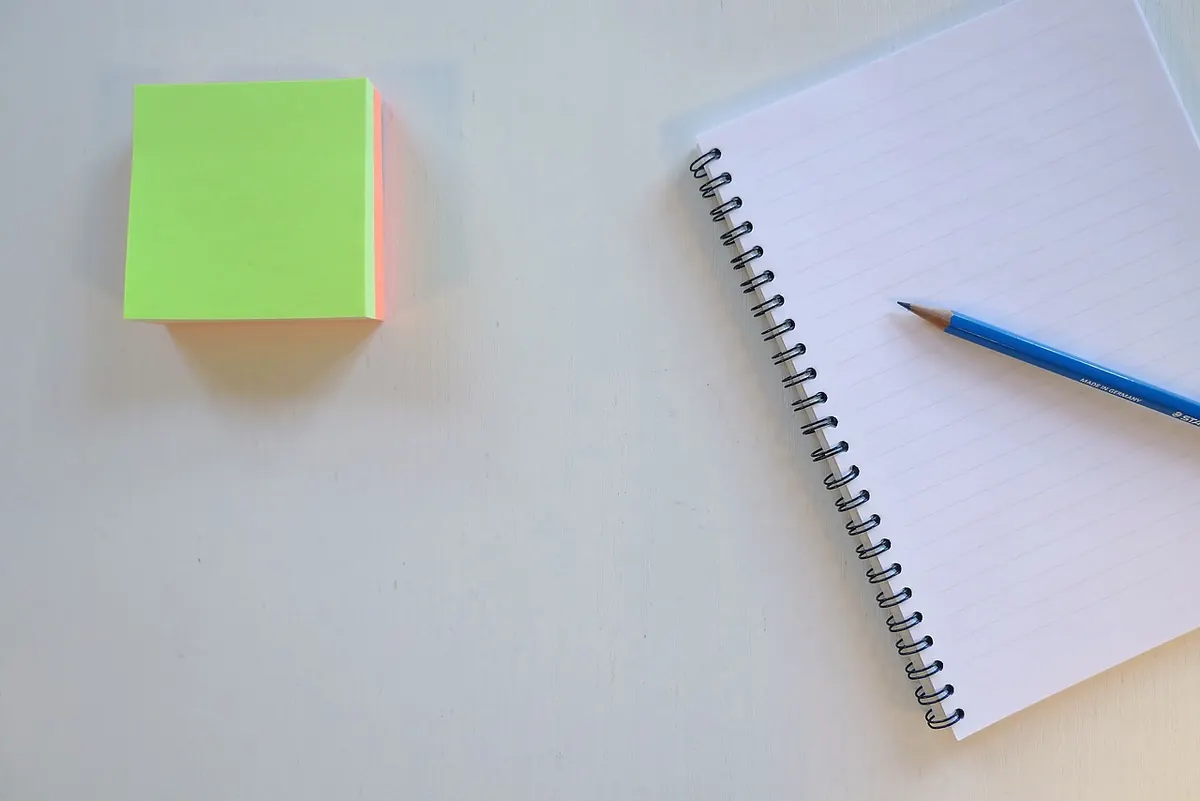
Put the notebook and pen out the night before, open at a fresh page. Set your alarm ten minutes earlier rather than trying to squeeze the writing into an already full morning. Keep a short list of prompts taped inside the back cover so you never have to invent one before you've had caffeine.
Then protect the slot. No phone scrolling first, no email check, no tidying the kitchen. If you only manage four sentences on a bad morning, that still counts; the streak matters more than the word count, and the routine is what carries you through the weeks when writing feels like a chore.
After a month, spend ten minutes on a Sunday reading back. You'll notice recurring worries, decisions you keep postponing, and small wins you'd otherwise have forgotten. That review is where a morning journal earns its fifteen minutes.
One sensible note: journaling is a good thinking tool, not a treatment. If writing regularly brings up distress about your mental health that doesn't settle, speak to your GP or another qualified professional rather than trying to write your way through it alone.
Photo: Engin_Akyurt / Pixabay